Lake Busse
Lake Busse on Sakhalin is a unique natural landmark, known for its giant oysters and abundance of delicious seafood. Visitors can enjoy a true gastronomic paradise and stunning views of the area’s flora and fauna.
Lake Busse
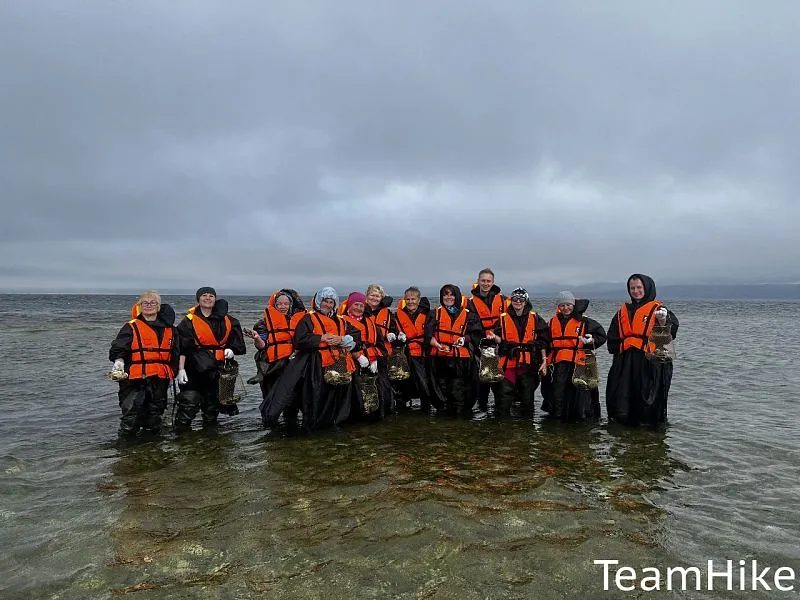
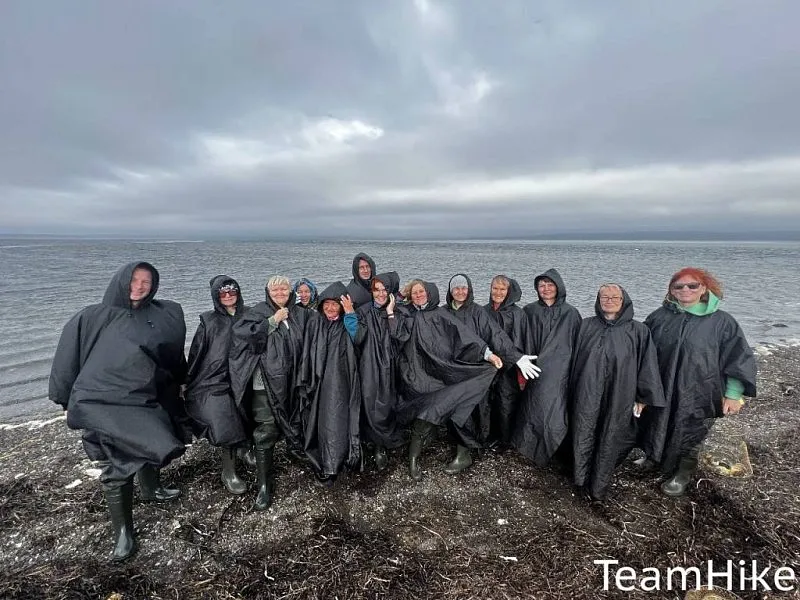
Lake Busse is a unique natural landmark of regional significance, located in the Korsakov District of Sakhalin Island. The lagoon-shaped lake is connected by a channel to Aniva Bay in the Sea of Okhotsk. Busse Lagoon is a rich ecosystem of great commercial and scientific importance. Saltwater from the sea mixes with freshwater, creating ideal conditions for the growth of the lagoon’s famous inhabitants: giant Sakhalin oysters and other marine life. As part of our Sakhalin tour, we have explored the lake with our travelers many times and caught delicious seafood. We used our catch to put together a memorable picnic outdoors!
From 1905 to 1946, when the area was under Japanese control, the lake was called Lake Tobufi. The modern name of the lagoon lake honors Major N. V. Busse, a participant in the Amur Expedition of 1849 - 1855. The lake covers 39.4 square kilometers and reaches a depth of 4.5 meters. Streams and rivers flow into the lake, including the Shishkevich and Arakul Rivers.
The lake is home to various mollusks, including mussels, giant oysters, scallops, sea cucumbers, and large grass shrimp. It also contains many fish species, including pink salmon, chum salmon, herring, saffron cod, smelt, crucian carp, taimen, and others. An oyster farm on the lake’s western shore grows fresh oysters. The lake is also home to a variety of marine grasses and algae. Of particular value is the red alga ahnfeltia, which is used to produce agar-agar thickener.
Waterfowl nest on the lake, making them fascinating to watch. A total of 199 bird species have been recorded here, 36 of which are listed in Red Data Books at various levels. Rare species found here include osprey (1-2 pairs), Steller’s sea eagle (2-3 pairs), Japanese snipe, and variegated plovers. During seasonal migrations, you may also spot Steller’s sea eagle, peregrine falcon, spoon-billed sandpiper, and Kamchatka tern.

It is important to note that the lake will be closed for the next 3-4 years to restore populations of shrimp, mussels, and oysters, which have declined significantly.
Lake Busse on Sakhalin is a true gastronomic paradise and a feast for the eyes, thanks to its remarkable flora and fauna. A generous catch, a delicious picnic in nature, and new experiences are what bring travelers here.