Kuray Steppe
The Kuray Steppe is a large intermontane basin about 20 kilometers wide in southeastern Altai. This scenic area is notable for its resemblance to a desert, ancient stone sculptures, and views of majestic mountain ranges.
Kuray Steppe
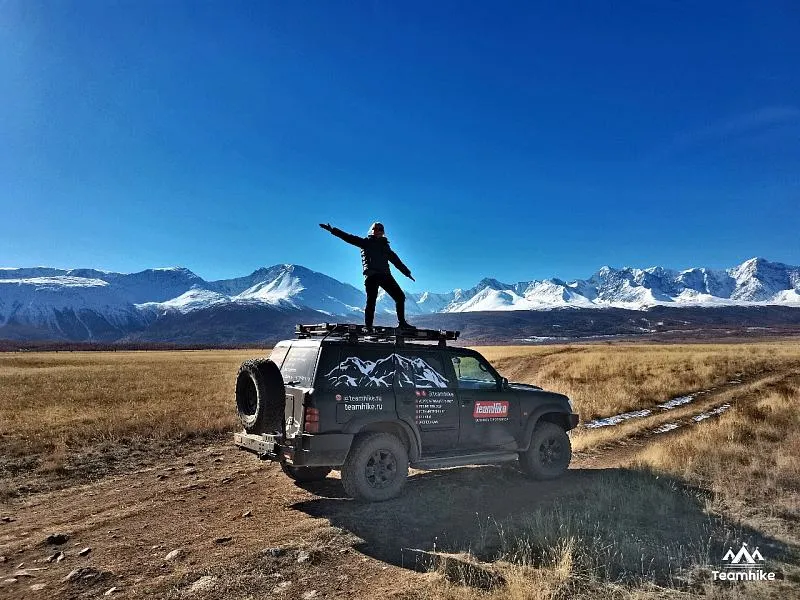
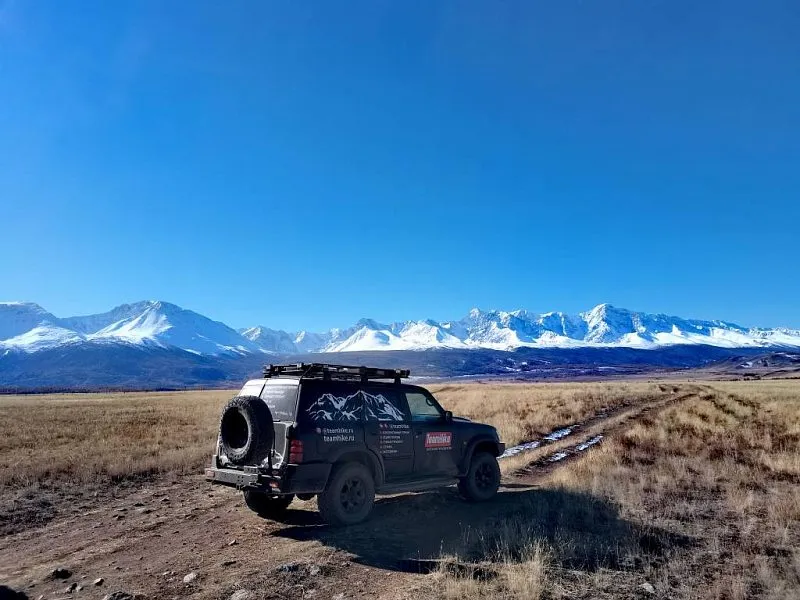
The Kuray Steppe is a large intermontane basin about 20 kilometers wide in the southeastern Altai Republic. This flat landscape, reminiscent of a desert, lies at an elevation of 1500-1600 meters above sea level. The steppe is bordered on two sides by mountain ranges — the North Chuya Range and the Kuray Range. On our tours to Altai, we often show travelers the Kuray Steppe. You can reach the area by following the Chuya Highway toward the village of Tashanta. It is always striking to see how sharply the landscape changes here — from forested mountains to rolling steppe.
The basin is 20 by 25 kilometers in size. It was once the bed of an ancient lake. Scientists estimate that the lake disappeared about 15,000 years ago as a result of a natural disaster. This left a distinctive feature in the steppe's terrain: ripple marks created by flowing water. Waves up to 200 meters long are made of boulders, coarse sand, and gravel.
The plants of the Kuray Steppe are specific to the area and more closely resemble the flora of Mongolia's desert steppes. Grasses with plenty of wormwood, wild cereal plants, and low shrubs are typical of the steppe. The Chuya River flows through its center, and along its banks you can already see poplars, willow, wild sea buckthorn, and Kuril tea.
The Kuray Steppe is home to steppe polecats and hares, which are hunted by foxes and wolves. Visitors may see cranes and storks along the Chuya River. Desert finches, steppe eagles, shrikes, and peregrine falcons can be found near the villages.
The Kuray Steppe has a harsh, sharply continental climate. There are only 50-90 days a year with favorable weather conditions; the rest of the time, freezing weather prevails. Despite the challenging conditions, people still live in the steppe — the villages of Kuray and Kyzyl-Tash are located here.
The steppe is home to a great many archaeological sites! The local Chuya Valley preserves burial mounds, stone sculptures, rock paintings, and even ancient irrigation systems. The stone sculptures, which feature runic inscriptions and drawings, date from the 7th-9th centuries and belong to the Turkic era. The Arzhan Spring is located on the Kurayka River, and its water contains many beneficial substances — more than Borjomi!
A viewpoint called Burunkhan-1 has been built for visitors in the Kuray Steppe. From there, you can enjoy spectacular views of the steppe and scenic mountain ranges covered in snow, as well as take beautiful photos. There are several campsites and a recreation center in the steppe where you can spend the night.
The Kuray Steppe is a unique place because its landscape is very different in character from other valleys in Altai, while retaining some features of a desert. You can read about other unusual and beautiful places in our article here.