Mongolian cuisine
Mongolian food is unlike the cuisine of any other culture or country. It has been shaped largely by the region's harsh geography and predominantly nomadic way of life.
Mongolian cuisine is rich in variety and unique flavors. In this article, we'll introduce you to the national dishes of Mongolia that you should try on our trip to Mongolia. Mongolian cuisine reflects the nomadic culture, the ingenuity of its people, and their deep connection to nature.
Buuz

Buuz are traditional Mongolian dumplings, usually filled with meat, onions, and spices. They're usually steamed or boiled. Buuz are a larger, meatier, richer relative of Chinese dumplings. Traditionally eaten during Tsagaan Sar, the Mongolian Lunar New Year, they're now also a popular fast-food snack enjoyed year-round.
During Tsagaan Sar, everyone pitches in to knead the dough and roll out the dumpling wrappers. The meat, often lamb and beef, is minced, pounded, and mixed with salt. Hundreds of buuz are made at once and then left on trays to freeze.
Bansh
Bansh are Mongolian dough dumplings, usually served with meat and vegetables. A smaller version of buuz is sometimes added to hot Mongolian milk tea, made with cow's milk, tea leaves, and sheep's tail fat.
Khuushuur
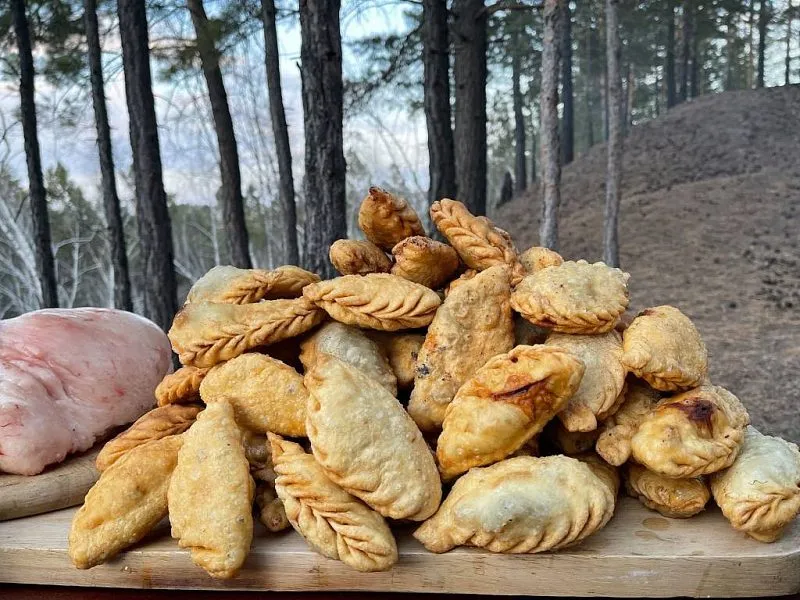
Khuushuur are deep-fried dumplings, usually filled with meat and folded into a crescent shape. These fried meat pastries are the unofficial snack of the annual Naadam Festival. The meat is either finely chopped or scored many times, then mixed with onions or garlic, salt, and other spices.
Borts
Borts are dried strips of meat prepared using a traditional nomadic method. Legend has it that when Genghis Khan was expanding his empire, these Mongolian jerky strips helped feed his soldiers on long campaigns. The type of meat varies by region, but beef and goat are the most common. Meat prepared in winter is cut into long, thin strips, then air-dried and cooled indoors or outdoors. The strips are preserved and eaten in summer. Borts are often broken into smaller pieces and added to water with salt to make soup. They're also used in many Mongolian dishes, from tsuivan (fried noodles) to banshtai tsai (dumplings in tea).
Tsuivan
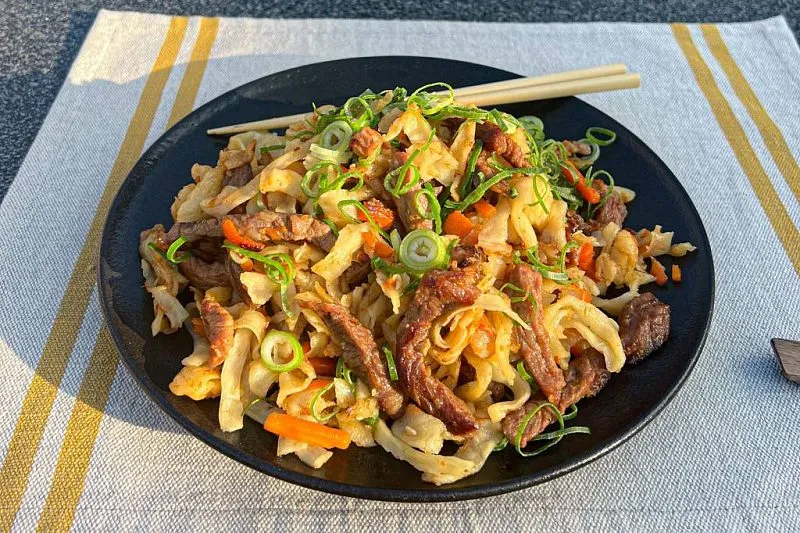
Tsuivan, a dish of fried meat and vegetables with noodles, is one of Mongolia's best-loved meals. First, the meat and vegetables are chopped and fried with sheep tail fat and salt. Then noodles, preferably hand-cut, are added to the sizzling ingredients with a little water. The steam softens the noodles, and the water is eventually absorbed by the meat and noodles.
Airag
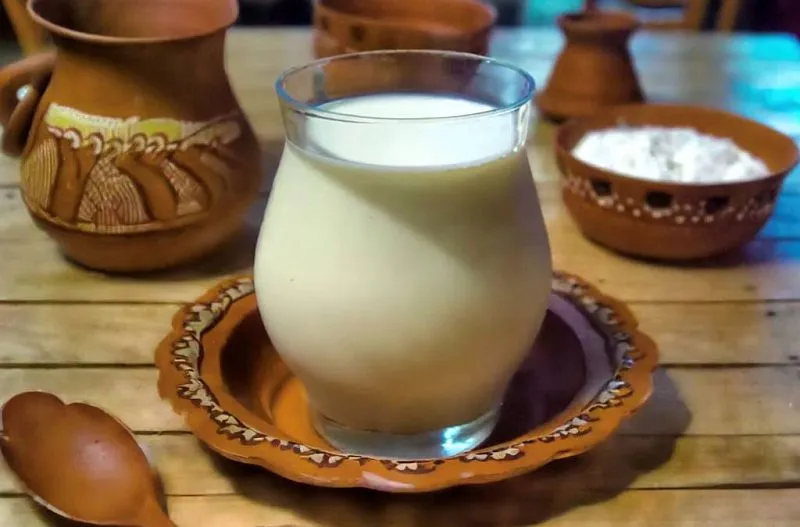
Mongolian airag, or kumis, is a fermented milk drink made from mare's milk. This sour, tangy, and fizzy drink is a popular welcome drink in Mongolia. Its flavor, aroma, fizz, and alcohol level vary widely depending on how long it has fermented. Paired with khuushuur, airag is a popular drink at the Naadam Festival.
Khorkhog
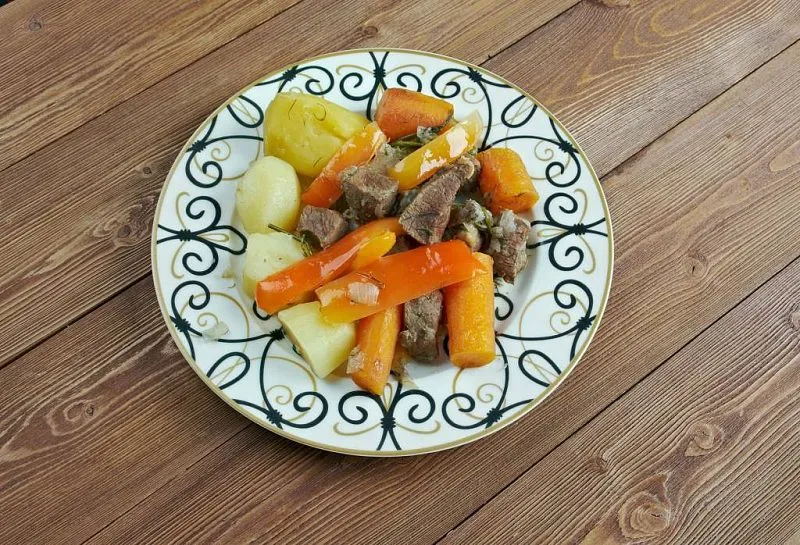
Khorkhog is a traditional Mongolian dish usually cooked over an open fire. It combines meat, vegetables, and spices, marinated together and cooked in a special vessel. Its roots go back to the distant past, when Mongolians lived nomadic lives and relied on livestock herding. Khorkhog was one way to preserve meat for a long time. Traditionally, it was cooked over an open fire in a special vessel, such as a cast-iron pot or a clay pot. This gave the dish a distinctive aroma and flavor. Today, khorkhog is cooked not only over an open fire but also on a stovetop or in an oven, while retaining its traditional character.
A typical khorkhog recipe includes pieces of meat, usually lamb or beef, onions, carrots, potatoes, tomatoes, peppers, salt, and other spices to taste.
Urum
Although hearty meat dishes come to mind when people think of Mongolian cuisine, most Mongolians start the day with a light breakfast, and dinner consists mainly of dairy products such as urum. First, unpasteurized milk is boiled, then poured several times into the center of the pot. Soon, a layer of foam settles on top of the boiling liquid. After the milk cools overnight, the foam turns into a buttery layer of clotted cream, known in Mongolia as urum. It's often spread on bread or served as a topping for desserts.
Boortsog
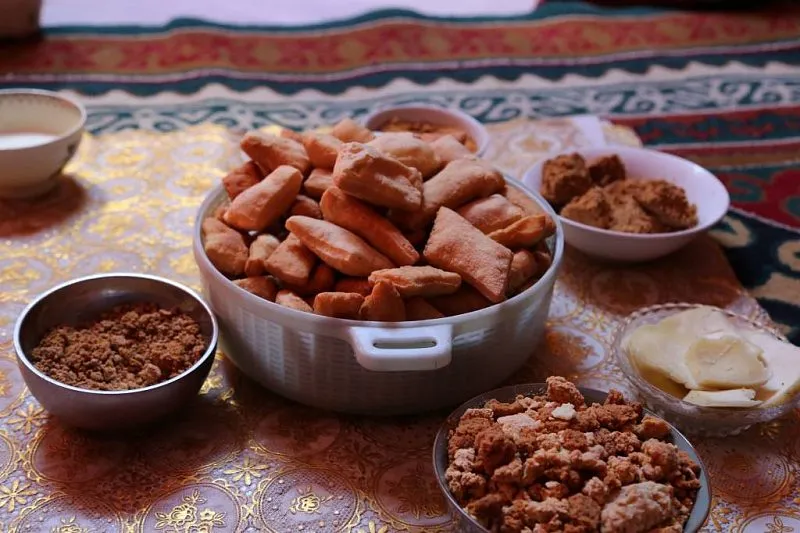
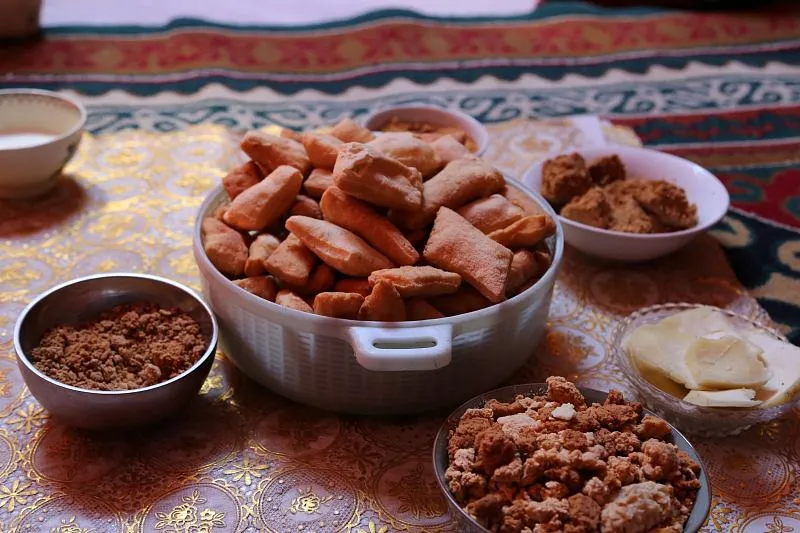
Boortsog is considered Mongolia's national dessert. Each family has its own recipe and shapes the boortsog in different ways. Most are made with flour, water, yeast, oil, salt, and a little sugar. The dough is cut into smaller pieces, then deep-fried until golden brown. Families usually make a fresh batch of boortsog every few months. Deep-fried and dried, they're a versatile snack that's easy to take on a trip or store at home. These very hard cookies are usually dipped in milk tea to soften them.